

Gynecomastia (commonly known as “man boobs”) is a condition where men develop enlarged breast tissue. It can affect one or both breasts and is far more common than many realize. It often causes embarrassment, low self-confidence, and avoidance of activities like swimming or going to the gym.
The good news? It is highly treatable, and modern surgery delivers excellent, natural-looking results with high patient satisfaction.
What Causes Gynecomastia?
- Hormonal imbalance (excess estrogen relative to testosterone)
- Puberty (temporary in many teenagers)
- Obesity or significant weight gain
- Certain medications (steroids, anti-androgens, some antidepressants)
- Alcohol, marijuana, or other substances
- Medical conditions (thyroid issues, liver disease, tumors — rare)
- Aging (natural drop in testosterone)
Important: Not all chest fat is true gynecomastia. True gynecomastia involves firm glandular tissue behind the nipple, which does not respond well to diet and exercise alone.
Symptoms
- Swollen or puffy chest
- Firm or rubbery lump under the nipple
- Tenderness or pain
- Asymmetry between breasts
- Nipple sensitivity or discharge (rare — see a doctor immediately)
Treatment Options
Mild cases may improve with weight loss, stopping triggering medications, or hormone therapy. Persistent or severe gynecomastia is best treated with male breast reduction surgery (gynecomastia surgery), which combines liposuction and glandular tissue excision.
Preparing for Your Doctor Visit (Consultation)
- Choose the right specialist — A board-certified plastic surgeon experienced in gynecomastia.
- Medical history — Be ready to discuss medications, supplements, drug/alcohol use, family history, and any medical conditions.
- Physical exam & photos — The doctor will examine your chest and may take measurements or photos.
- Lab tests — Blood work to check hormone levels if needed.
- Set realistic expectations — Discuss your goals (flatter chest, better contour, improved confidence).
Pre-Surgery Preparation Checklist (2–4 weeks before):
- Stop smoking and all nicotine products (at least 4 weeks before and after)
- Avoid blood thinners (aspirin, ibuprofen, certain supplements) — follow your surgeon’s list
- Maintain a stable weight and healthy diet
- Arrange help for the first few days after surgery
- Get all pre-op lab work and medical clearance done
- Prepare loose, front-opening shirts for post-surgery comfort
Gynecomastia Surgery (What Happens)
The procedure usually takes 1–2 hours under general or local anesthesia with sedation. Techniques include:
- Liposuction (for fatty tissue)
- Surgical excision (for glandular tissue)
- Combination of both
- Skin removal (in severe cases with excess skin)
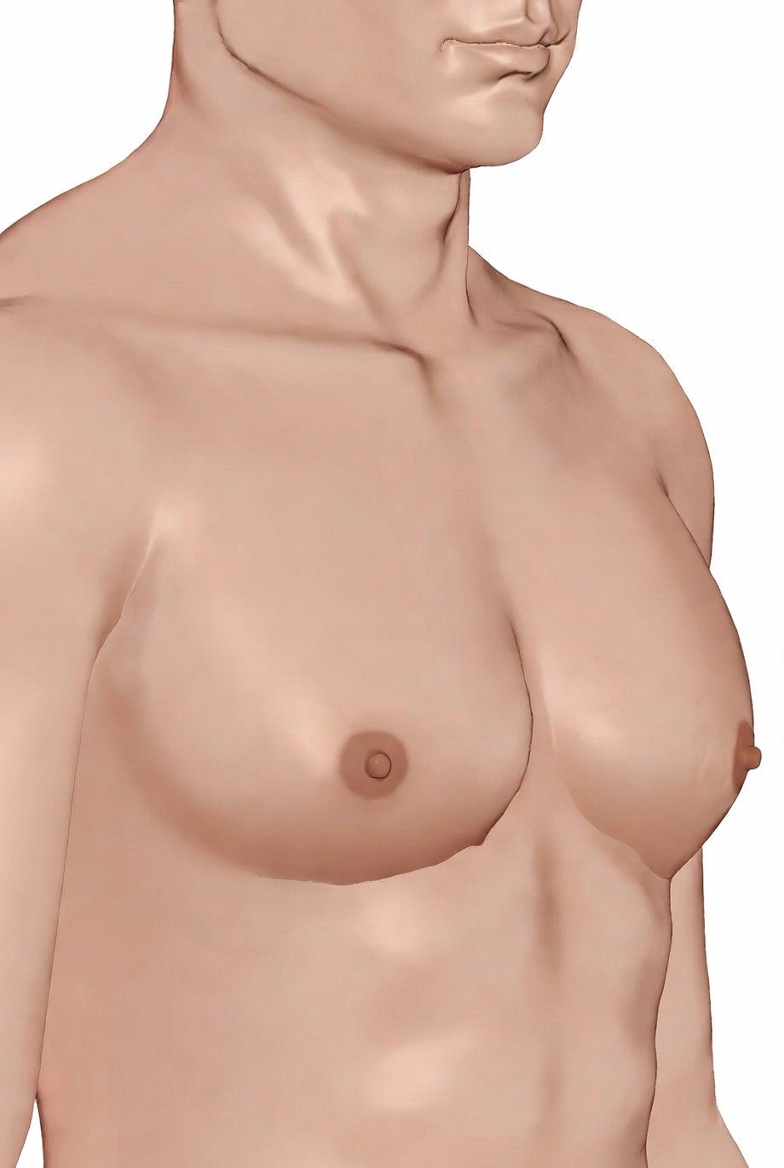
Gynecomastia Surgery (Before Illustrative)
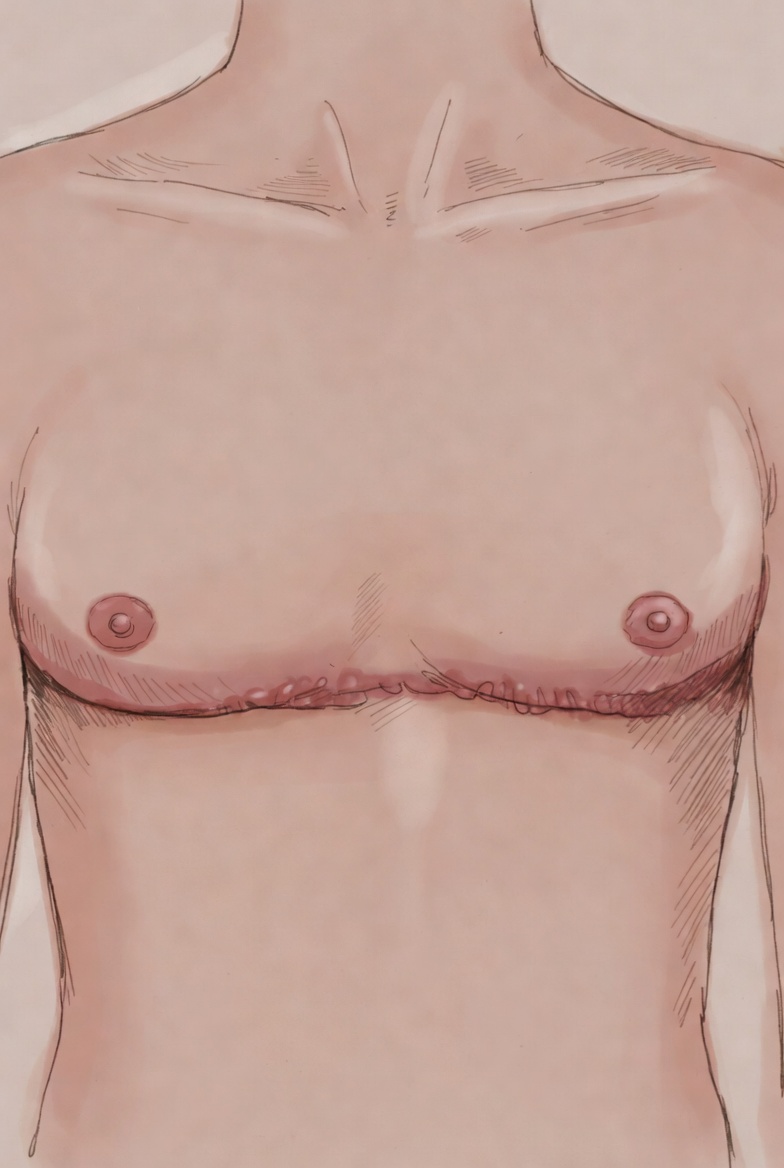
Gynecomastia Surgery (After Illustrative)
Recovery After Surgery – Week by Week
First 1–3 Days
- Swelling, bruising, tightness, and mild-moderate discomfort (like a tough chest workout)
- Wear compression garment 24/7
- Rest, take prescribed pain medication, sleep elevated
- No driving or heavy activities
Week 1
- Most patients return to desk work in 5–7 days
- Bruising starts to fade
- Continue wearing compression vest
Weeks 2–4
- Swelling decreases significantly
- Light activities and walking are encouraged
- Most can resume normal daily routines
Weeks 4–6
- Can usually return to gym (light cardio first)
- Compression garment may be reduced to part-time
3–6 Months
- Final results become visible as all swelling resolves
- Scars fade and chest contour improves
Post-Surgery Care Tips for Best Results
- Wear the compression garment as instructed (usually 4–6 weeks)
- Avoid strenuous exercise and heavy lifting for 4–6 weeks
- Keep incisions clean and dry
- Stay hydrated and eat protein-rich foods
- Attend all follow-up appointments
- Protect scars from sun exposure
Final Results are permanent in most cases, provided you maintain a stable weight and avoid triggers (steroids, certain drugs).
Important Disclaimer
This article is for educational purposes only and is not a substitute for professional medical advice. Gynecomastia surgery is a medical procedure with risks (infection, asymmetry, scarring, changes in nipple sensation). Always consult a qualified plastic surgeon for personalized advice.
Ready to take the next step? Contact Hala Shifa today at General Surgery Department.